

 Back
Back 







Real-life read
Real-life read: Georgia
29 May 2026
Reading time: 4 minutes
Told to Tom Hartmann,
0 comments
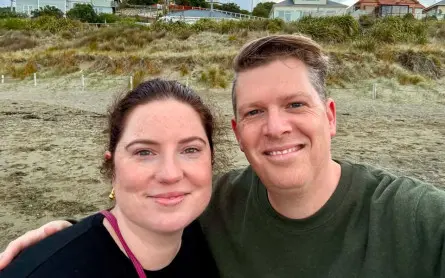
A bit about Georgia: Georgia lives outside Hamilton with her husband and their 10-year-old daughter. She works in HR and has used Sorted for years, ever since 2014, when you could pick up Sorted brochures at the supermarket rather than using the tools online!
What’s the best money advice you’ve ever been given?
To ‘pay yourself first’, ie, to save or invest regular amounts as soon as you get paid, rather than putting aside what’s left after bills and other spending. Setting up a weekly or monthly automatic payment means you don’t have to remember or decide to do – it just happens.
Also the power of compound interest. I frequently use Sorted’s mortgage calculator to see how much time and interest we can save off our mortgage by making additional payments. We’ve cut our mortgage duration in half and will save hundreds of thousands by increasing our repayments over time.
Are you a spender or a saver?
I’m definitely a spender by nature, although over time I’ve learned to enjoy both. Nowadays I get a thrill checking our savings and investments, knowing the freedom and flexibility it will give us in the future.
I want to enjoy today too though, and we do spend on things like the odd weekend away or holiday as a family, eating out, concerts. I try to resist expensive beauty services, but I do get my nails done religiously – it makes me feel polished on even the most chaotic day.
What’s been your proudest money moment?
Reaching a milestone figure in my KiwiSaver account. And finally paying off my massive student loan! I dream about the (distant) day we make our final mortgage payment and can start channelling more money into investing and travel.
What makes you feel sorted when it comes to your money?
Tracking our spending. I use the Pocketsmith app and it’s been a gamechanger (although some banks have similar tools you can use for free). It helps me keep track of what we spend each month and where our money goes. It also means I know exactly how much money we need to cover our essentials. My husband is self-employed, which means our income is variable, so tracking helps me stay across our finances and prevents money anxiety.
What money beliefs have you inherited from your whānau or picked up from friends?
My mum always role-modelled living within your means, having financial goals and seeing them through. She worked and saved hard and managed to buy a home and save for retirement as a single mum. Giving regularly to charity was a feature too, and that’s something my husband and I prioritise.
“I dream about the (distant) day we make our final mortgage payment and can start channelling more money into investing and travel.”
Despite seeing the right things from family, we made some pretty dumb decisions in our early 20s and racked up $20,000 of consumer debt that we had to get rid of before we could purchase our first home.
Like a lot of New Zealanders, our parents and grandparents largely grew up in big families where resources were scarce, and that’s something I reflect on a lot. I have a lot of gratitude for what we have.
If your bank account could talk, what would it say to you right now?
I think it would say you’re going okay, you’ve got your buffer, but don’t get too comfortable and go crazy with spending. Focus on the essentials, and just a few luxuries that actually shift the dial in terms of happiness.
When you think about your retirement, what do you see?
I see a retirement that will be comfortable and where we’ll have choices around when to retire, whether we want to cut back our working hours in the countdown to retirement, etc.
“Focus on the essentials, and just a few luxuries that actually shift the dial in terms of happiness.”
I don’t see myself working 40-plus hours a week in paid employment right through to 65 or 67. I’d like to have the freedom to spend some of my time doing volunteer work, looking after grandkids, and travelling. I’d also like to have helped our daughter on her own path to financial security.
If you’d like to join the conversation and share your own experiences with money, we’d love to hear from you. Fill in this form and we’ll get back to you. Ngā mihi!
About the author
Comments (0)
Comments
No one has commented on this page yet.
RSS feed for comments on this page | RSS feed for all comments