

 Back
Back 






Real-life read
Real-life read: Alex
22 June 2026
Reading time: 5 minutes
Told to Maggie McNaughton,
0 comments

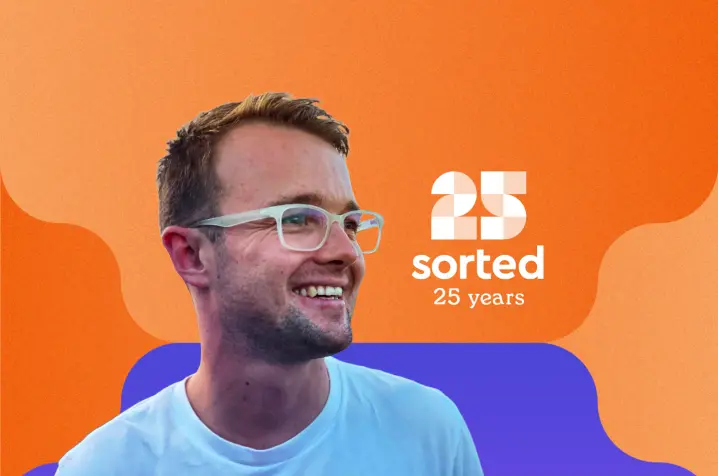
A bit about Alex: Alex moved to New Zealand from Russia about 20 years ago when he was a teenager. He spent eight years working in hospitality and restaurants, followed by 11 years in real estate selling premium apartments – a career he absolutely loves. He has a small dog and lives in the Auckland CBD.
What’s the best money advice you’ve ever been given?
The best money advice I’ve ever been given is don’t save what’s left after spending, save first and spend what’s left.
That’s a principle I’ve lived by for years. Every time I get paid, I already know exactly how much I need each month for living expenses, with a bit of a buffer. Everything else goes straight into savings that I don’t touch. Then I simply live on what remains for the rest of the month. If I earn more, then more goes into savings.
Are you a spender or a saver?
I’d say I’m a bit of both. I do enjoy spending money on things I’m passionate about, like going out for dinners and experiences I genuinely value. But at the same time, I feel very uncomfortable if I haven’t reached my savings goal by the end of the month. So, while I enjoy spending, I always like to make sure my financial priorities are taken care of first.
“Every time I get paid, I already know exactly how much I need each month for living expenses, with a bit of a buffer.”
What’s been your proudest money moment?
I’ve had a few proud money moments over the years. I own several properties that I worked and saved hard for, and I’ve also completed several major renovations, which has been very rewarding. But probably the proudest moment was being able to save enough to put down a deposit on my first house.
What makes you feel sorted when it comes to your money?
What makes me feel financially secure is knowing I have at least six months’ worth of living expenses saved in my bank account. Since I work on commission and don’t have a consistent income, having that financial buffer gives me real peace of mind.
There’s a saying that if something can be solved with money, it’s not really a problem, it’s just an inconvenience. I try to make sure I’m always in a position where I don’t have big problems, only small inconveniences.
What money beliefs have you inherited from your whānau or picked up from friends?
I’m not from a wealthy family, so I grew up watching my parents run small businesses with all the ups and downs that come with that. One thing they always believed in was keeping debt to a minimum, and I think that made life a lot less stressful for them. That’s something I strongly agree with today. We never had credit cards, so I was raised with the mindset that you can't spend money you don’t have.
If your bank account could talk, what would it say to you right now?
If my bank account could talk, it would probably tell me to take it a bit easier on going out and cook at home more often. I can definitely be a little impulsive with small daily spends like coffees and lunches.
“What makes me feel financially secure is knowing I have at least six months’ worth of living expenses saved in my bank account.”
At the same time, I don’t believe you become wealthy purely by saving every dollar. I think you build wealth by increasing your income and focusing on what you’re good at. So sometimes I’d rather skip making breakfast at home, get to work earlier, and buy myself a nice lunch later, because my time is often better spent doing the work that creates value.
When you think about your retirement, what do you see?
When I think about retirement, it does stress me out a little bit. Over the last few years, especially since reaching my mid-30s, I’ve started paying a lot more attention to it. I’ve been listening to podcasts about retirement, KiwiSaver, savings and investments, and reviewing the timeframes on my mortgages. It definitely makes you think more seriously about the future.
Ideally, by retirement age I want to be in a position where I don’t have to worry about money. I don’t want to be in my 60s still working because I need the income. I’d rather be working because I genuinely enjoy it and don’t want to stop.
If you’d like to join the conversation and share your own experiences with money, we’d love to hear from you. Fill in this form and we’ll get back to you. Ngā mihi!
About the author
Comments (0)
Comments
No one has commented on this page yet.
RSS feed for comments on this page | RSS feed for all comments