


 Back
Back 







Real-life read
Real-life read: Evan
27 July 2026
Reading time: 4 minutes
Told to Tom Hartmann,
0 comments

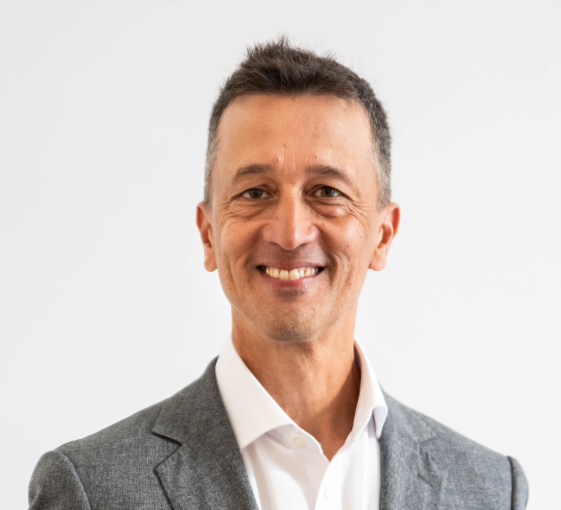
A bit about Evan: Evan is an architectural designer living in Auckland, spending his weekdays designing buildings and spare time playing volleyball, working out or catching up with friends. He loves finding a good balance between enjoying life now and planning ahead for the future.
What’s the best money advice you’ve ever been given?
“Only spend money where it really matters.” Before I buy anything, I always ask myself: Do I actually need this, or do I just want it?
A lot of the time it’s just a want. For example, I might see a shirt that looks great, but then I realise I already have a few similar ones sitting in my wardrobe that I hardly wear.
On the other hand, I’m happy to spend money on things I genuinely need. I cook most of my own meals, so every week I plan what I’m going to spend on groceries, buy only what I need and try not to waste food.
Are you a spender or a saver?
Honestly, I’m both.
I don’t mind spending money on things that are important to me, like food, transport and my hobbies, especially the gym and volleyball. When it comes to volleyball, I’m happy to invest in a good pair of shoes or quality knee pads because they help prevent injuries and let me keep playing the sport I love.
At the same time, I’m definitely a saver. Before buying something, I always think about whether I really need it. I also like budgeting ahead. I know roughly how much I’ll spend each week, how much I want to save and how much I have left for myself. Having that plan helps me stay in control instead of wondering where all my money went.
What’s been your proudest money moment?
Probably my first year studying in Auckland in 2019. My parents gave me enough money to cover a whole year’s living expenses, and it was the first time I’d ever lived away from home or managed my own finances. I was only 20, so I was pretty nervous about running out of money halfway through the year.
I made a detailed budget and always kept some money aside as an emergency fund. I only spent money where I felt it was necessary.
“The biggest lesson definitely came from my parents: only spend money where it really counts.”
Studying architecture isn’t cheap. There were costs for model making, laser cutting and 3D printing, but I’d already planned for those expenses.
At the end of the year, I showed my parents a breakdown of everything I’d spent. That helped us plan my budget for the following year. Looking back, I’m really proud that I was able to manage my money so well while living on my own in a completely different country.
What makes you feel sorted when it comes to your money?
Having a plan. It doesn’t have to be complicated; it could be a weekly, monthly or yearly budget. Once you understand your income and regular expenses, you quickly know what’s essential and what’s just something you’d like to have.
That doesn’t mean you can never treat yourself. I think it’s important to leave a little room for fun, just not every single time you’re tempted to buy something.
What money beliefs have you inherited from your whānau or picked up from friends?
The biggest lesson definitely came from my parents: only spend money where it really counts.
They’ve also encouraged me to invest some of my savings instead of letting it sit in the bank. They always remind me that it doesn’t have to be high risk or high return, especially these days with so many scams around. Slow and steady is perfectly fine.
If your bank account could talk, what would it say to you right now?
“Thanks for making sure I never had to choose between being empty and feeding you!”
When you think about your retirement, what do you see?
A relaxed, stress-free life. I’d love to wake up naturally every morning without worrying about money, spend my days doing things I enjoy and hopefully own a house in Wānaka. That sounds like a pretty perfect retirement to me.
If you’d like to join the conversation and share your own experiences with money, we’d love to hear from you. Fill in this form and we’ll get back to you. Ngā mihi!
About the author
Comments (0)
Comments
No one has commented on this page yet.
RSS feed for comments on this page | RSS feed for all comments