

 Back







Real-life read
Real-life read: Dianna
2 November 2026
Reading time: 6 minutes
Told to Tom Hartmann,
0 comments
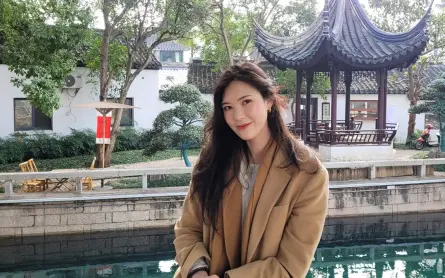
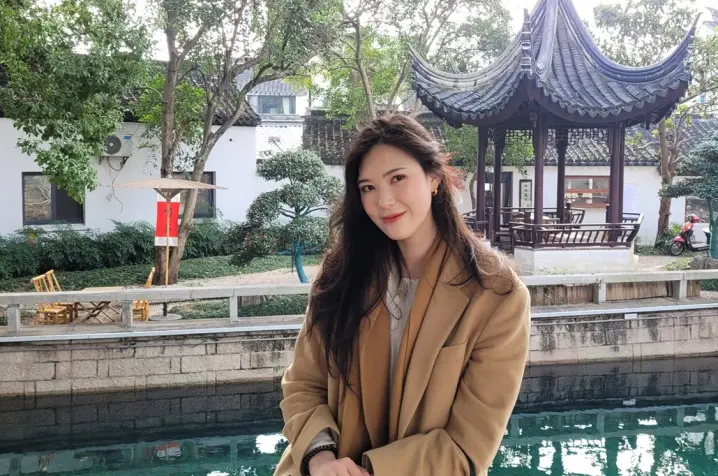
A bit about Dianna: An ex-nurse turned business analyst, Dianna is married and living in Hamilton with her husband and ‘plant babies’. A natural extrovert and planner, she’s rarely short of weekend plans or social events. When not working, you’ll find her travelling, cooking and exploring the outdoors or new local eateries.
What’s the best money advice you’ve ever been given?
“You need to know when to save, but just as importantly, when to spend wisely.” This is advice my mother gave me that has stayed with me throughout my life.
Saving is important, but money is ultimately a tool to help us make the most of our lives. Being financially savvy isn’t just about how much you save. It’s also about knowing when spending is worthwhile. For me, there are three non-negotiables – health, security and experiences.
I believe the purpose of saving is to give yourself the freedom to spend when it truly matters. If you hold on to your money at the expense of meaningful opportunities, you may end up paying a different price through missed experiences, compromised wellbeing or unnecessary risks. It’s not just about building wealth. It’s about knowing when to put it to good use.
Are you a spender or a saver?
Do I have to choose one? I would say I’m definitely a hybrid. I’m a disciplined saver when it matters, but a willing spender when something aligns with my priorities (or tempts my weaknesses).
Travel is where my biggest spending goes. For me, it’s more than an escape from the daily grind. It’s an investment in perspective, cultural understanding and experiences that stay with me long after I return home. Every new country teaches me something, and that’s worth spending money on.
“Given the choice between a designer handbag, the latest tech or a trip to somewhere new, I’ll choose the experience every time.”
What’s your proudest money moment?
Buying my first home, without a doubt. I imagine it’s a milestone many people can relate to, but saving a 20% deposit for a home in Auckland was no small feat. It took years of discipline, intentional spending and countless small sacrifices. These included cooking at home after exhausting workdays, making strategic grocery choices and walking away from that beautiful dress I’d been eyeing for months.
Looking back, I’m proud not just of the home I purchased, but of the financial discipline it took to get there. It was a reminder that big financial milestones are built on small, consistent decisions.
“Big financial milestones are built on small, consistent decisions.”
What makes you feel sorted when it comes to your money?
For me, feeling financially sorted starts with having a clear picture of what I own, what I spend and how much I can save. Knowing where I stand financially gives me the confidence to plan ahead, make informed decisions and navigate unexpected changes, such as redundancy, without losing sight of my goals.
I use an Excel spreadsheet to review my financial position, track my assets and fixed expenses, and compare my saving and spending habits with the previous month. My husband and I have a monthly ‘financial jam session’ using this spreadsheet. We reflect on our spending decisions, identify areas for improvement and adjust our budget and plans for the month ahead.
I don’t feel the need to track every dollar daily or weekly. Instead, I find that a consistent monthly review gives me enough visibility to stay on top of my finances without becoming overly consumed by them.
“Being financially sorted isn’t about having everything figured out. It’s about having the clarity to make informed decisions and the flexibility to handle whatever life throws your way.”
What money beliefs have you inherited from whānau or friends?
You don’t need to be wealthy, financially savvy or work in the finance industry to manage money well. What matters is having a genuine interest in your financial wellbeing, or at least the willingness to learn.
I believe financial literacy is an essential life skill, not an optional extra. Understanding how to manage your money can give you greater independence, peace of mind and the ability to make choices that support your happiness.
You don’t need a lot of money to be happy, but money can help you protect the things that make life meaningful. That might mean spending on nice food and memorable experiences, or something as fundamental as medical treatment that helps you stay mobile and independent.
To me, managing money well isn’t about having more. It’s about using what you have to live a healthier, happier and more fulfilling life.
If your bank account could talk, what would it say to you right now?
“You’re doing well, so keep it up. But perhaps ease up a little on the travel and ice cream spending. Ice cream isn’t cheap these days, and we both know it isn’t healthy!”
I’ve also been making the most of travelling while I can, before starting a family. So, I suspect my bank account would occasionally tell me to stay home, put my feet up, and embrace being a couch potato. Just occasionally, though.
When you think about your retirement, what do you see?
I don’t have a fixed retirement age in mind. For me, retirement is less about stopping work at a certain age and more about achieving financial freedom. That means being able to work because I want to, not because I have to pay the bills.
I’d love to build reliable secondary income streams that give me the flexibility to step away from full-time work, pursue projects I enjoy, and have the time and energy to live life on my own terms.
When I picture my ideal retirement, I see myself in a cosy countryside home with a cute toy poodle, enjoying a slower pace of life without financial worries.
To me, retirement isn’t about getting older and giving up work. It’s about having the freedom to choose how I spend my time. I may not achieve the ideal ‘retirement’ I’ve described, but that’s why we grind when we’re younger, right?
If you’d like to join the conversation and share your own experiences with money, we’d love to hear from you. Fill in this form and we’ll get back to you. Ngā mihi!
About the author
Comments (0)
Comments
No one has commented on this page yet.
RSS feed for comments on this page | RSS feed for all comments