

20 March 2026
Reading time: 3 minutes
Told to Georgette Hart,
0 comments

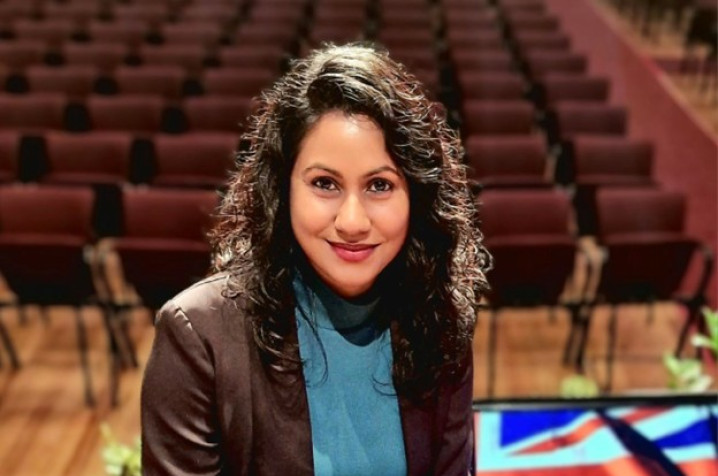
A bit about Shristi: Shristi Singh is a Chartered Accountant currently working for Te Ara Ahunga Ora Retirement Commission and living in Tāmaki Makaurau, Auckland. In 2008, she relocated from her hometown in Fiji to New Zealand, where she has since achieved the momentous goal of becoming a homeowner.
If you can manage without it, there's no need to spend money on it. Having grown up in a family that experienced difficulties, we learned early on to appreciate both money and our possessions. We were taught not to buy things we didn't need, and while it's normal to have desires, it was always important for us to balance our income and spending.
I consider myself primarily a saver. As a single immigrant residing in New Zealand, I experienced significant financial challenges. However, my prudent approach to managing finances enabled me to accumulate enough savings to purchase my first home five years ago.
One of my proudest financial achievements has been accumulating enough to secure my citizenship, assist my brother with his marriage, and buy my home – all while overcoming job uncertainties as an immigrant in New Zealand.
“We were taught not to buy things we didn’t need, and while it’s normal to have desires, it was always important for us to balance our income and spending.”
Maintaining substantial savings across various accounts, alongside observing the growth of my Sharesies and KiwiSaver portfolios. These provide assurance that I am financially prepared for any unforeseen circumstances.
Having grown up in a household that placed great emphasis on financial discipline, I was always made aware of money’s significance. As children, we weren’t given spending allowances, and once I began earning, my parents managed my wages – so I rarely had autonomy over my finances. Though it felt limited at the time, those experiences helped me build a healthy respect for money. Along with my background in accounting, this upbringing has profoundly influenced how I make financial decisions today.
"It’s time to review your insurance providers.” And maybe it would give me credit for fewer Temu purchases.
I envision myself as healthy and strong, journeying around the globe and performing as a singer in every nation, while also managing my own accounting firm without worrying about expenses.
If you’d like to join the conversation and share your own experiences with money, we’d love to hear from you. Fill in this form, and we’ll get back to you. Ngā mihi!
Visit us on social


© Office of the Retirement Commissioner

Use verification code from your authenticator app. How to use authenticator apps.
Don't have an account? Sign up
Or log in with our social media platforms


A free account gives you your very own space where you can save your tools and track your progress as you get ahead.
Or sign up using Google:


 Back
Back 










Comments (0)
Comments
No one has commented on this page yet.
RSS feed for comments on this page | RSS feed for all comments