

3 March 2026
Reading time: 3 minutes
By Kate Hannah,
0 comments
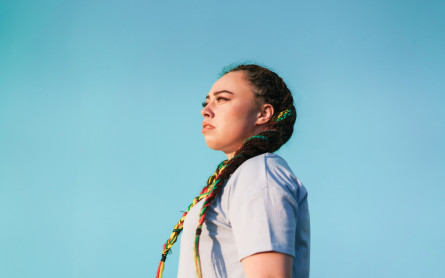
International Women’s Day is a moment to celebrate how far women have come. It’s also a good time to talk honestly about where things still aren’t quite balanced. Money is one of those places.
In Aotearoa New Zealand, women are often careful money managers. We budget, we plan ahead, and we stretch household dollars. But even with those skills, many women still end up worse off financially over time.
That is not about personal choices. It is about how our systems work.
Women earn less than men on average. In 2025, the gender pay gap was 5.2 percent, which means women earned about 95 cents for every dollar earned by men. That gap is smaller than it used to be, but it still matters, especially over a whole working life.
Lower pay also means lower savings. Research from Te Ara Ahunga Ora Retirement Commission shows that men have around 25 percent more in KiwiSaver savings than women on average. For women in their 40s and 50s, the gap is even bigger.
These differences are not evenly spread. Wāhine Māori and Pacific women are more likely to be on lower incomes and are more exposed to financial stress both now and later in life.
Women generally have strong day-to-day money skills. Research shows women often have equal or higher financial knowledge than men. The problem is not understanding money.
The problem is access.
Caring responsibilities, time out of paid work, part-time jobs, and insecure hours all make it harder to put knowledge into action. Childcare costs and availability matter too. So does living longer, often with less savings.
When the system is built around uninterrupted full-time work, women pay the price.
Small gaps early on grow bigger later. Less pay means less KiwiSaver. Time out of work means missed contributions. Less savings mean less of a buffer when life throws a curveball.
By retirement, many women have less to fall back on. Women are more likely to live alone later in life and rely more heavily on NZ Super. That makes day-to-day costs harder to manage, especially as living expenses rise.
There is no single fix, but small steps can still make a real difference:
At the same time, bigger changes matter too. Closing pay gaps, improving childcare access, valuing unpaid work, and supporting people through life changes all help reduce long-term inequality.
Sorted is here to support people across Aotearoa to build financial capability and long-term financial security. We know money decisions do not happen in a vacuum, and that everyone’s situation is different.
That is why Sorted offers free, trusted tools and information that work for real lives, including women’s lives.
This International Women’s Day, let’s recognise women’s financial capability and keep pushing for systems that support it.
Because when women are financially secure, whānau and communities are stronger too.
Visit us on social


© Office of the Retirement Commissioner

Use verification code from your authenticator app. How to use authenticator apps.
Don't have an account? Sign up
Or log in with our social media platforms


A free account gives you your very own space where you can save your tools and track your progress as you get ahead.
Or sign up using Google:


 Back
Back 










Comments (0)
Comments
No one has commented on this page yet.
RSS feed for comments on this page | RSS feed for all comments